JITENDRAKUMAR AND BROTHERS
GST : 24AEXPD4625F1ZI

Call us now
08071931311

GST : 24AEXPD4625F1ZI
Call us now
08071931311
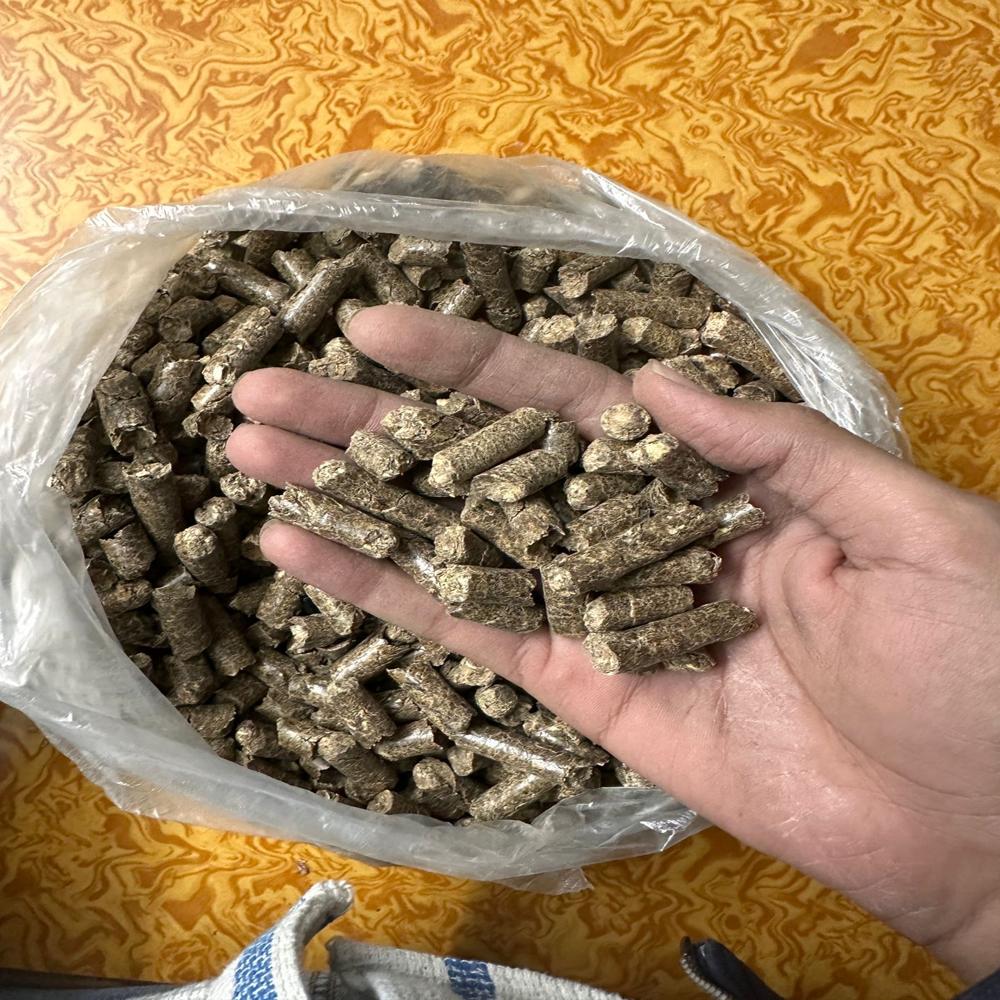
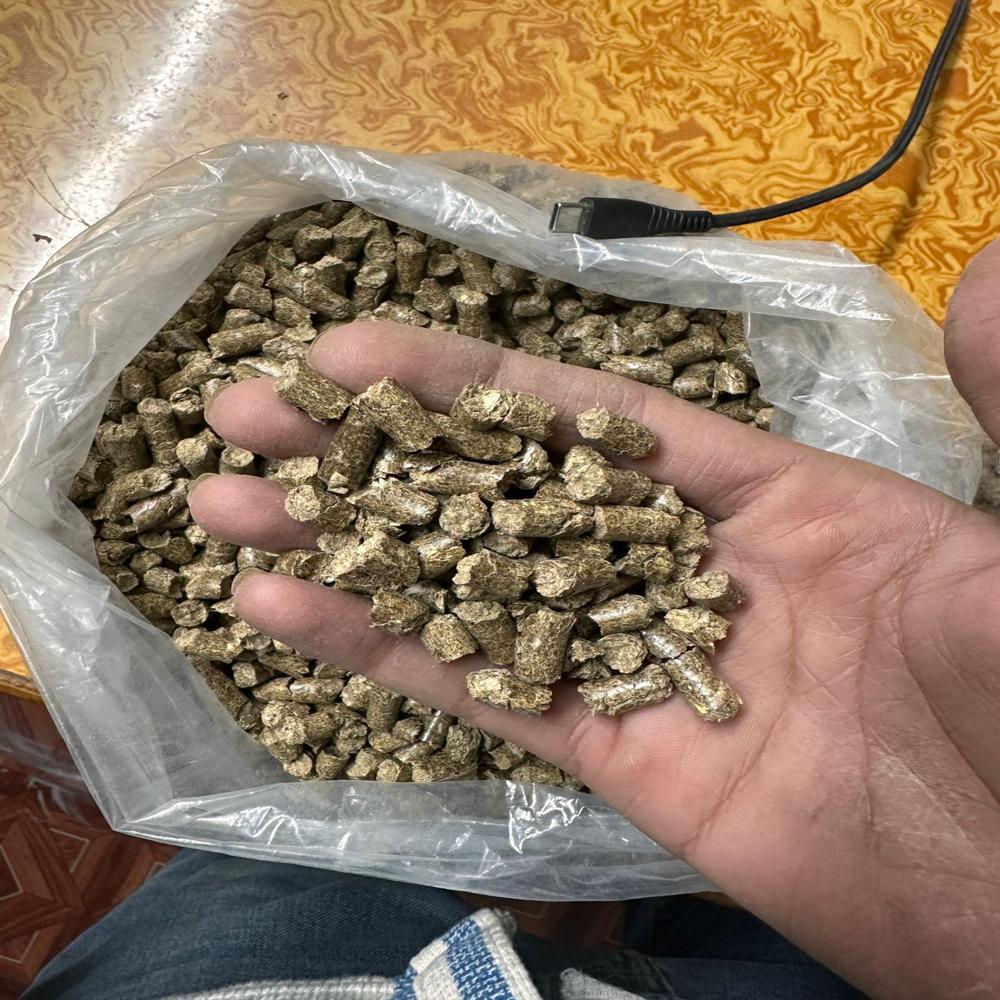
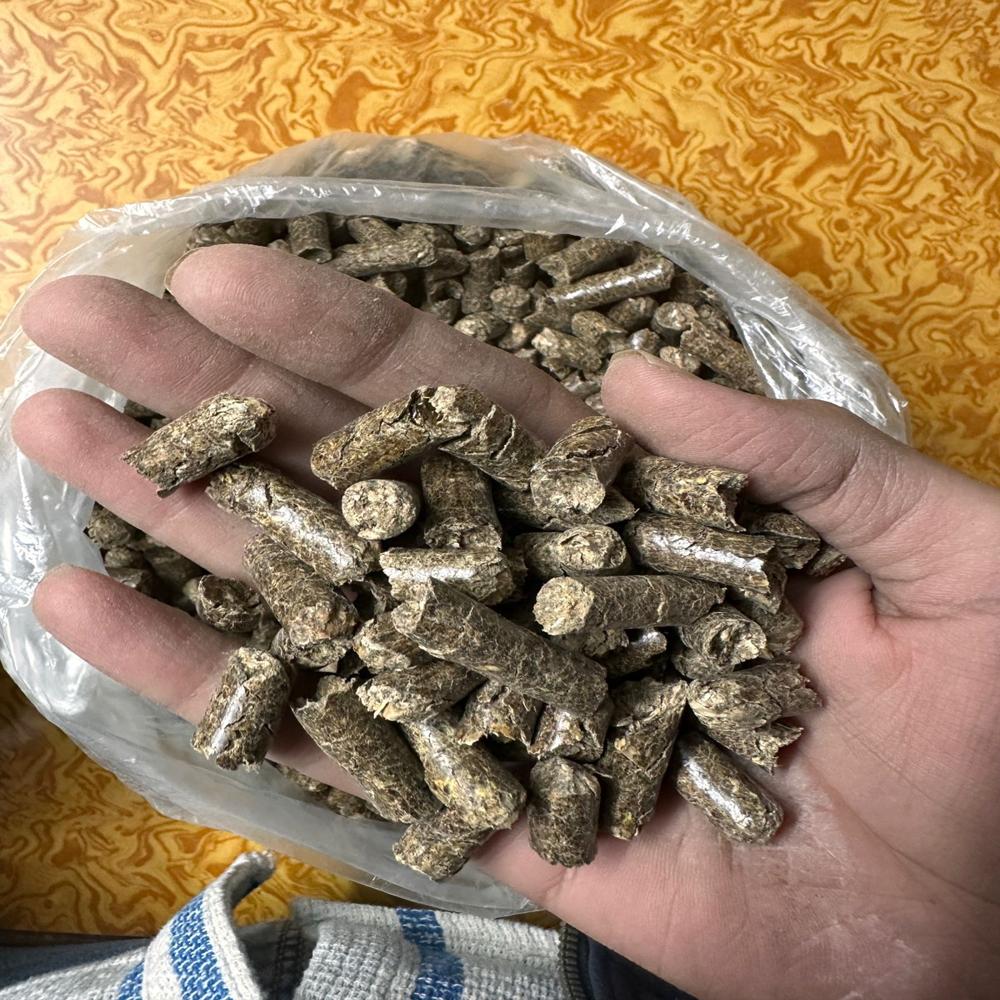
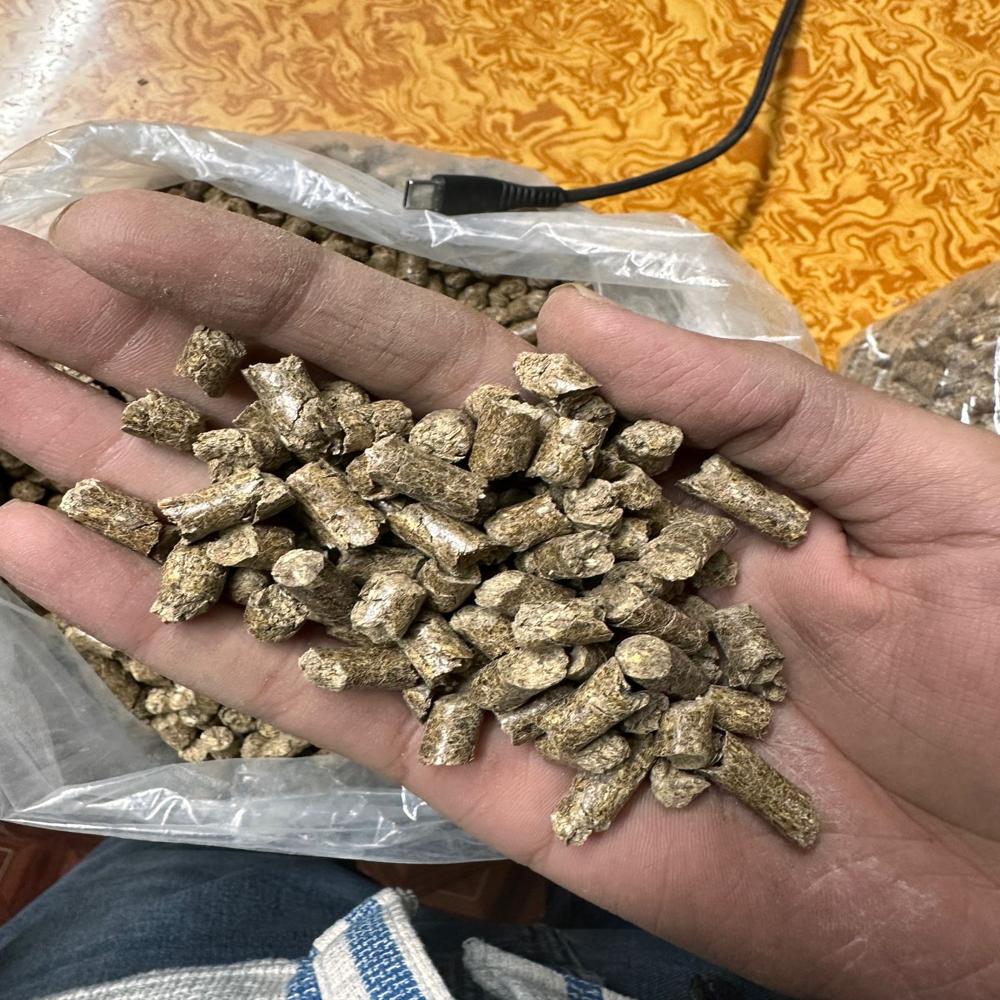
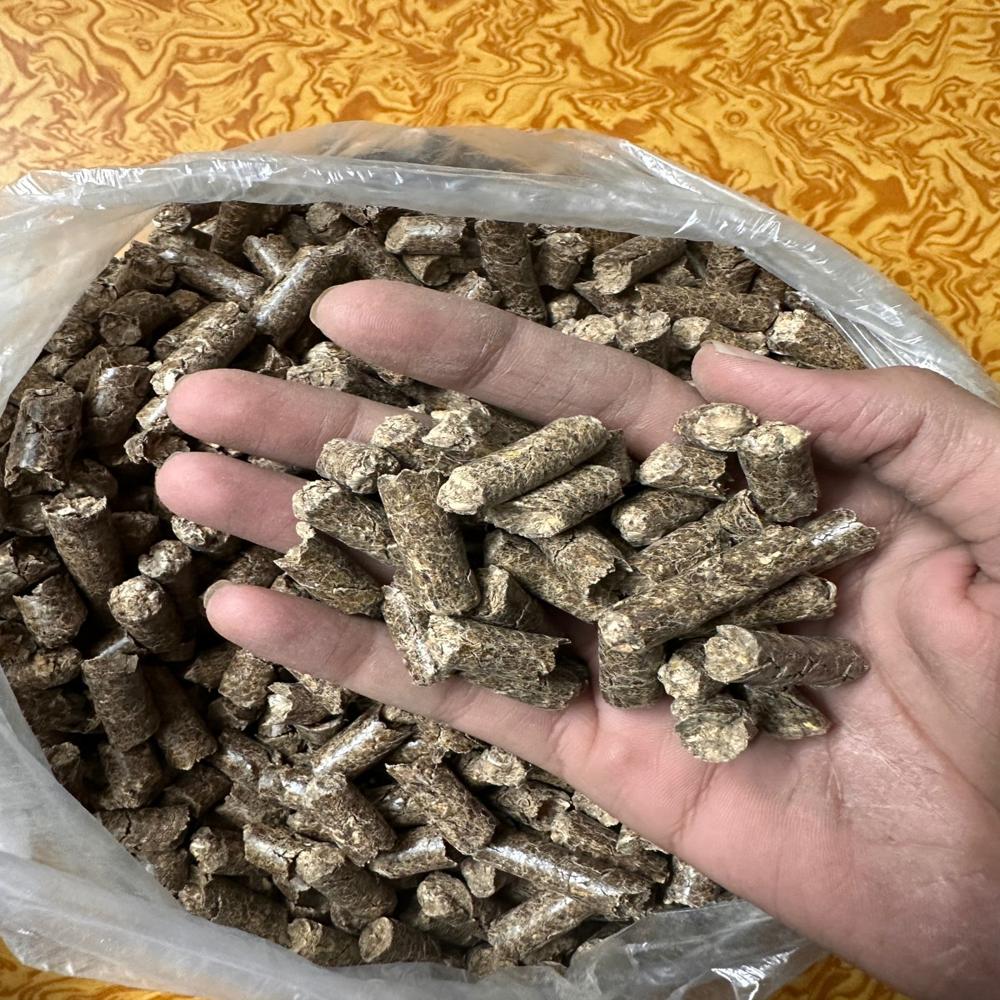
Our biomass pellets are premium-quality, energy-rich fuel manufactured from 100% natural and sustainable raw materials.
Using advanced pelletizing technology, we ensure consistent size, low moisture, and high calorific valuemaking our pellets suitable for a wide range of industrial and commercial applications.
High Calorific Value Ensures maximum heat output and energy efficiency.
Low Moisture Content Improves combustion quality and reduces fuel consumption.
Low Ash & Sulphur Levels Environment-friendly performance with minimal residue.
Uniform Size & Density Compatible with most pellet burners and feeding systems.
Renewable & Sustainable Made from recycled biomass with zero chemical additives.
Reduces fuel costs compared to coal and LPG
Supports cleaner production and helps meet emission standards
Stable and consistent burning
Easy to store, handle, and transport
Suitable for long-term industrial energy needs
Industrial boilers & steam generators
Power plants & biomass gasifiers
Commercial heating systems
Food processing & textile industries
Hotels, bakeries, and institutional kitchens
Pellet stoves & heating furnaces
Diameter: 6mm / 8mm
Moisture: 610%
Ash Content: 13% (depends on raw material)
Calorific Value: 38004500 kcal/kg
Bulk Density: 650750 kg/m
Material: Wood / Sawdust / Rice Husk / Agro Waste

Price:

Price 9000.0 INR / Ton
Minimum Order Quantity : 10 Tons
Burning Time : 2 4 Hours
Gross Calorific Value : 4,000 4,500 kcal/kg
Fuel Type : Solid Biofuel
Fixed Carbon : 14 18 %
Price 9000.0 INR / Ton
Minimum Order Quantity : 10 Tons
Burning Time : 2 4 Hours
Gross Calorific Value : 4,000 4,500 kcal/kg
Fuel Type : Solid Biofuel
Fixed Carbon : 14 18 %
Price 9000.0 INR / Ton
Minimum Order Quantity : 10 Tons
Burning Time : 2 4 Hours
Gross Calorific Value : 4,000 4,500 kcal/kg
Fuel Type : Solid Biofuel
Fixed Carbon : 14 18 %

Price 9000.0 INR / Ton
Minimum Order Quantity : 10 Tons
Burning Time : 2 4 Hours
Gross Calorific Value : 4,000 4,500 kcal/kg
Fuel Type : Solid Biofuel
Fixed Carbon : 14 18 %
GST : 24AEXPD4625F1ZI


 Send Inquiry


 Send Inquiry